 Develop Black
The Development Report →
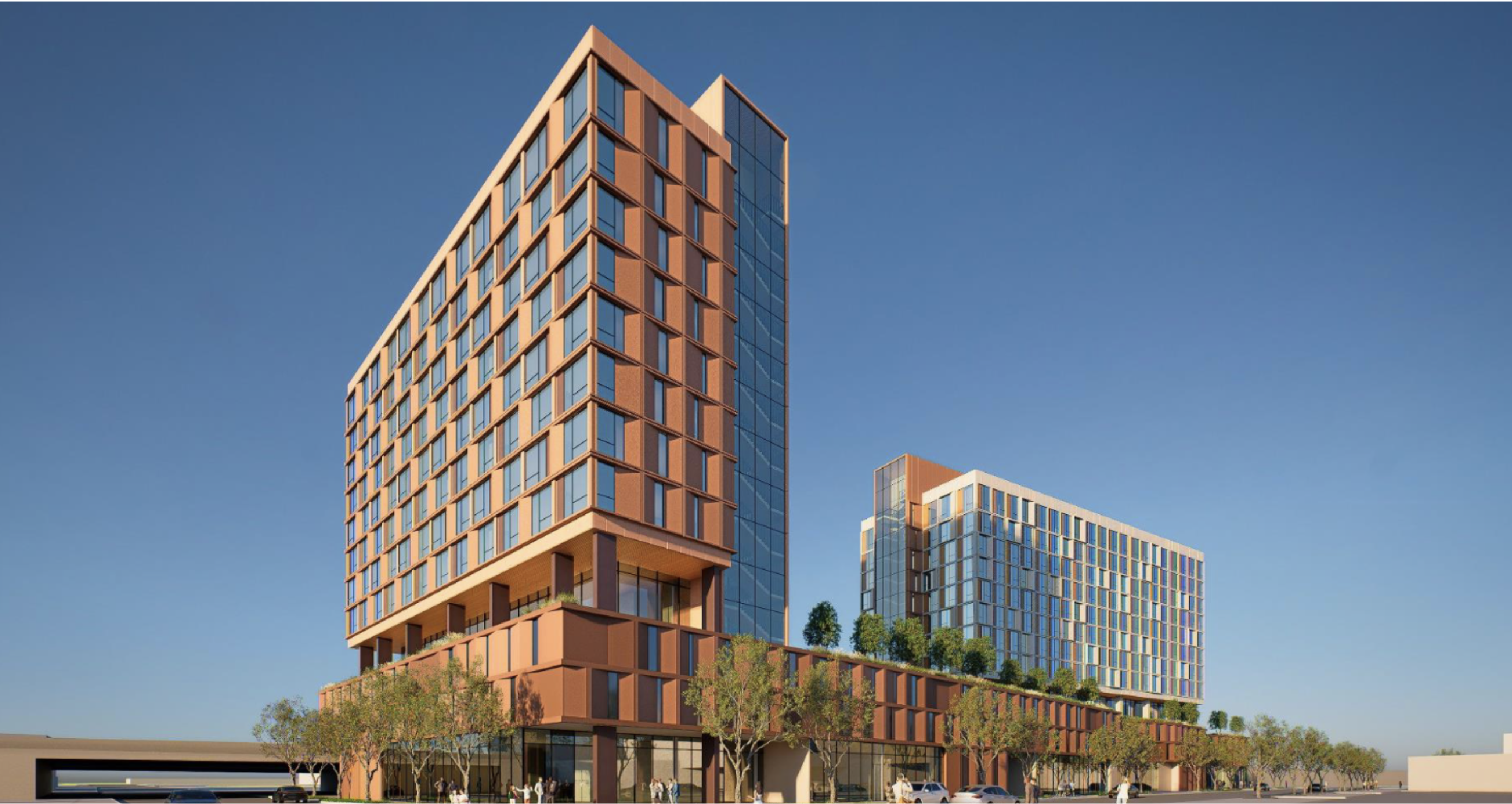
On Chicago's South Side, a church is acting as its own master developer. At the end of August, the Apostolic Church of God and lead developer J. Byron Brazier broke ground on the first phase of Woodlawn Central, a roughly eight-acre, $580 million plan built on the church's parking lots near 63rd Street and Dorchester Avenue, the Chicago Sun-Times reported.
The timing matters. Construction started about two months after the Obama Presidential Center opened nearby, a project that has pulled new investment and attention toward Woodlawn.
Phase one
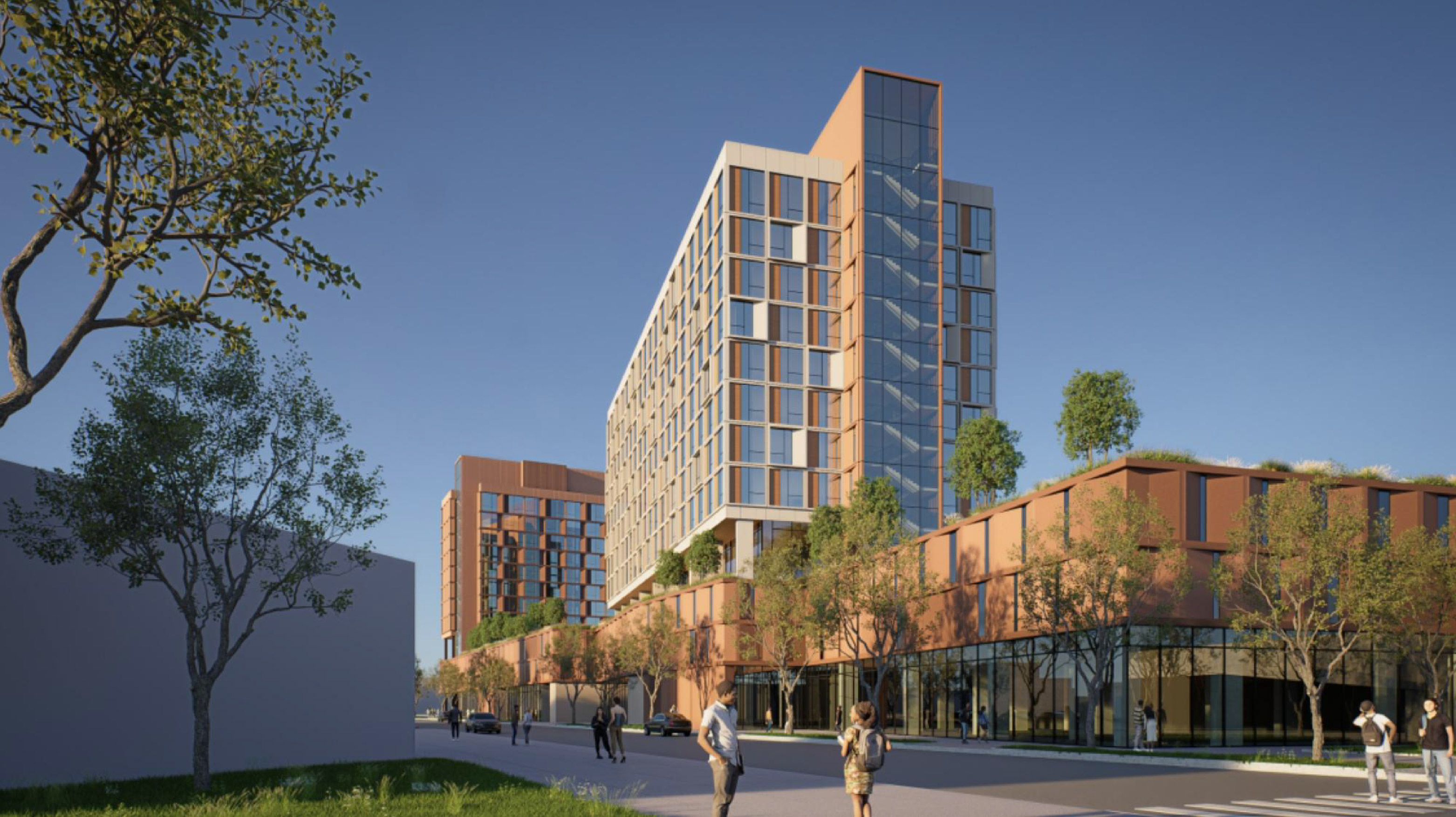
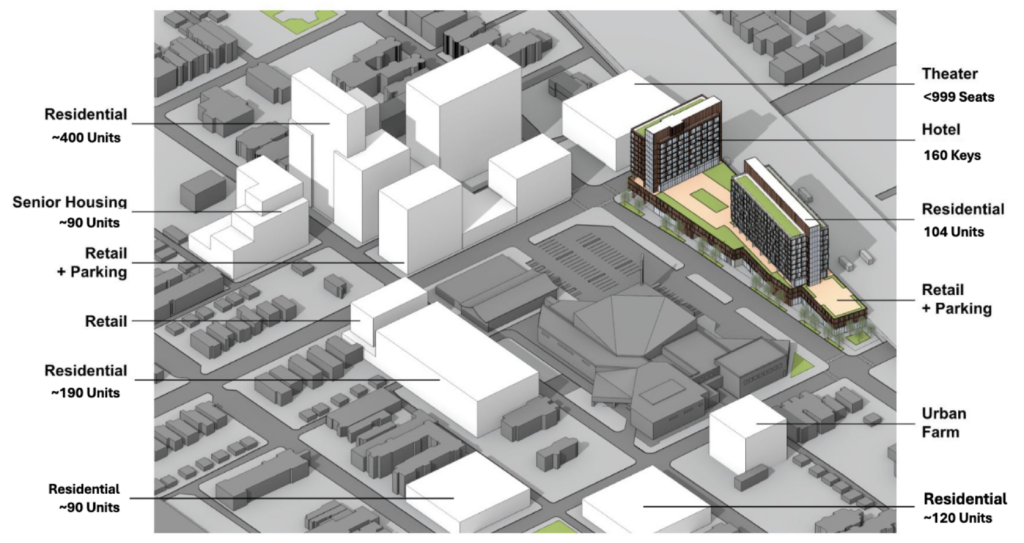
The first phase, about $134 million, is a single Gensler-designed building: a three-story podium with two towers above it, reaching about 160 feet. One tower holds a 160-room hotel. The other holds 104 apartments, 22 of them affordable, in a mix of studios and one-, two- and three-bedroom layouts. The podium carries more than 26,000 square feet of commercial space, including a planned food market, plus a 300-space garage shared by residents, visitors and the congregation. Completion is expected in the second quarter of 2028.
The full plan
Across later phases, Woodlawn Central calls for about 870 homes, from workforce and senior housing to market-rate and luxury units, with some designed for multigenerational families. The city's Affordable Requirements Ordinance requires 20% affordability, and the team has set a goal of 30%. Later phases add maker spaces, business incubators, coworking, a theater, office space, an urban farm and green space. The Sun-Times reported the plan is expected to support 100 temporary construction jobs and 700 permanent jobs.
Why a church is the developer
Brazier's grandfather, Bishop Arthur Brazier, led the Apostolic Church of God from 1960 until 2008 and was a civil rights leader known for fighting displacement in Woodlawn. J. Byron Brazier, son of current pastor Dr. Byron T. Brazier, has described the project as a generational continuation of that work. Brazier has said the church will keep ownership of the land, with buildings developed on ground leases.
J. Byron Brazier, lead developer
For developers, that structure is the lesson. Churches and other long-standing Black institutions often control land in neighborhoods that are now drawing outside capital. Holding the land and leasing it for development lets an institution share in the value it helps create, instead of selling at the start of a neighborhood's upswing.
What to watch
Phase one is the proof point: how the apartments lease, how the hotel performs as Obama Center visitors arrive, and whether the storefronts fill with the Black-owned businesses the plan was built around. Those results will shape how capital views every phase that follows.